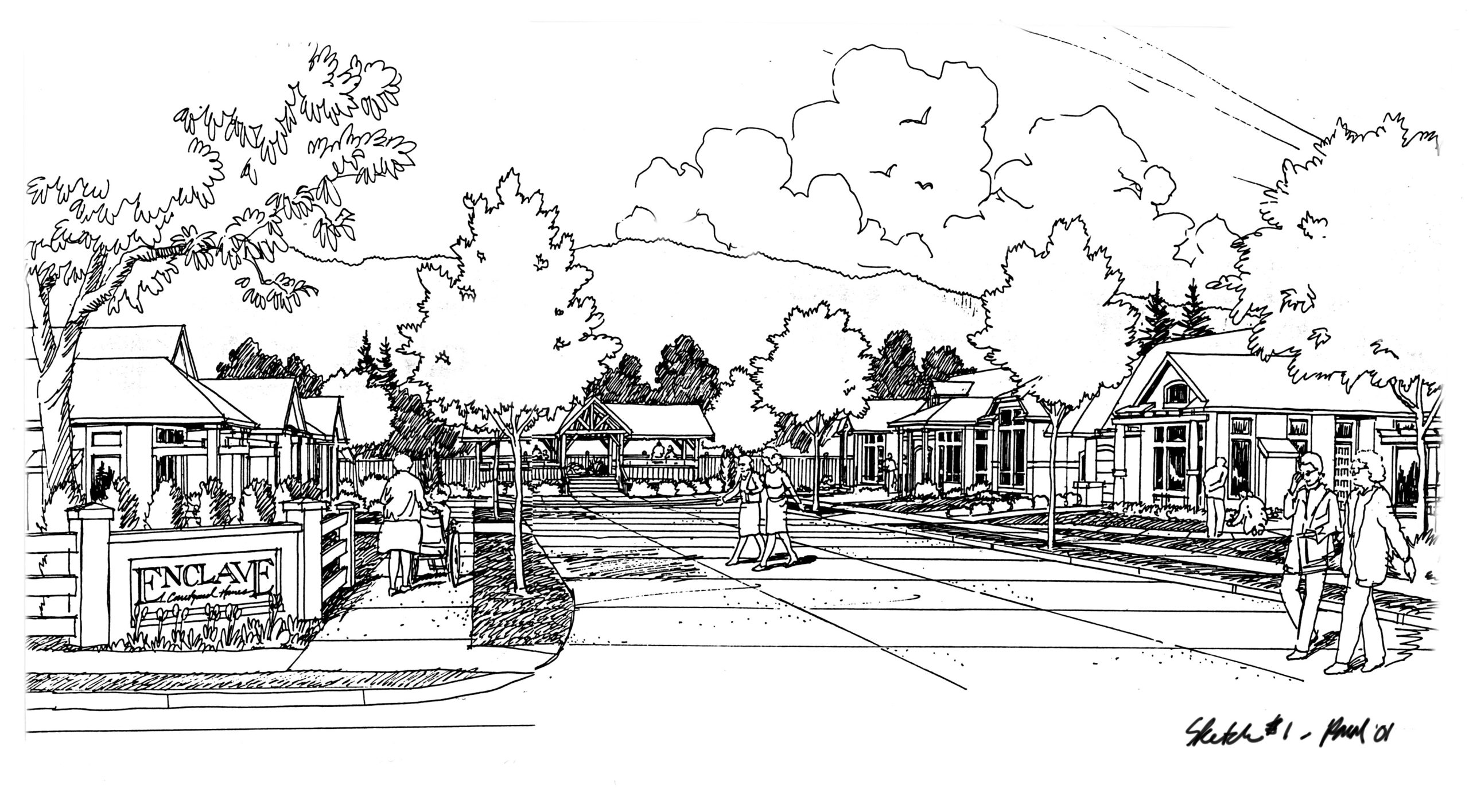
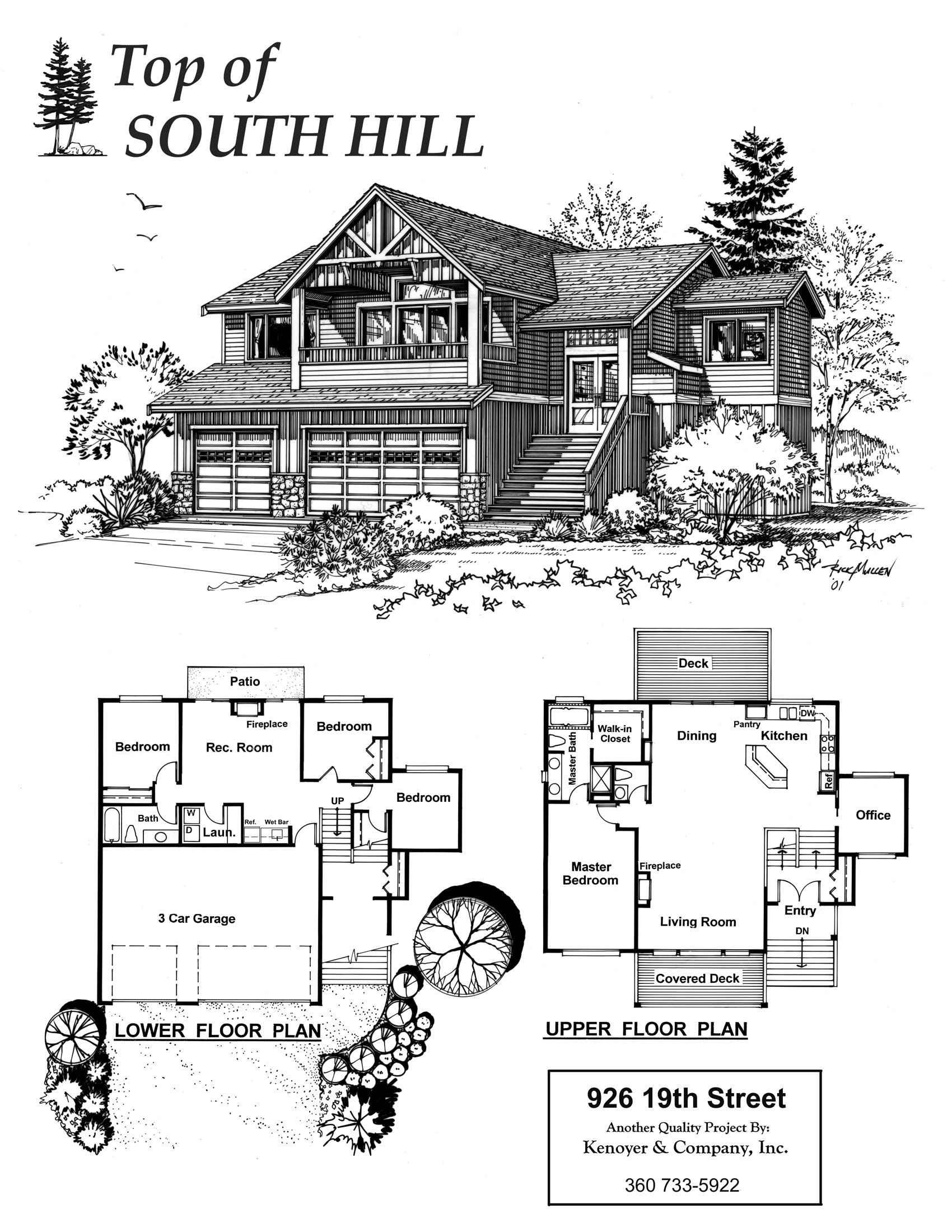
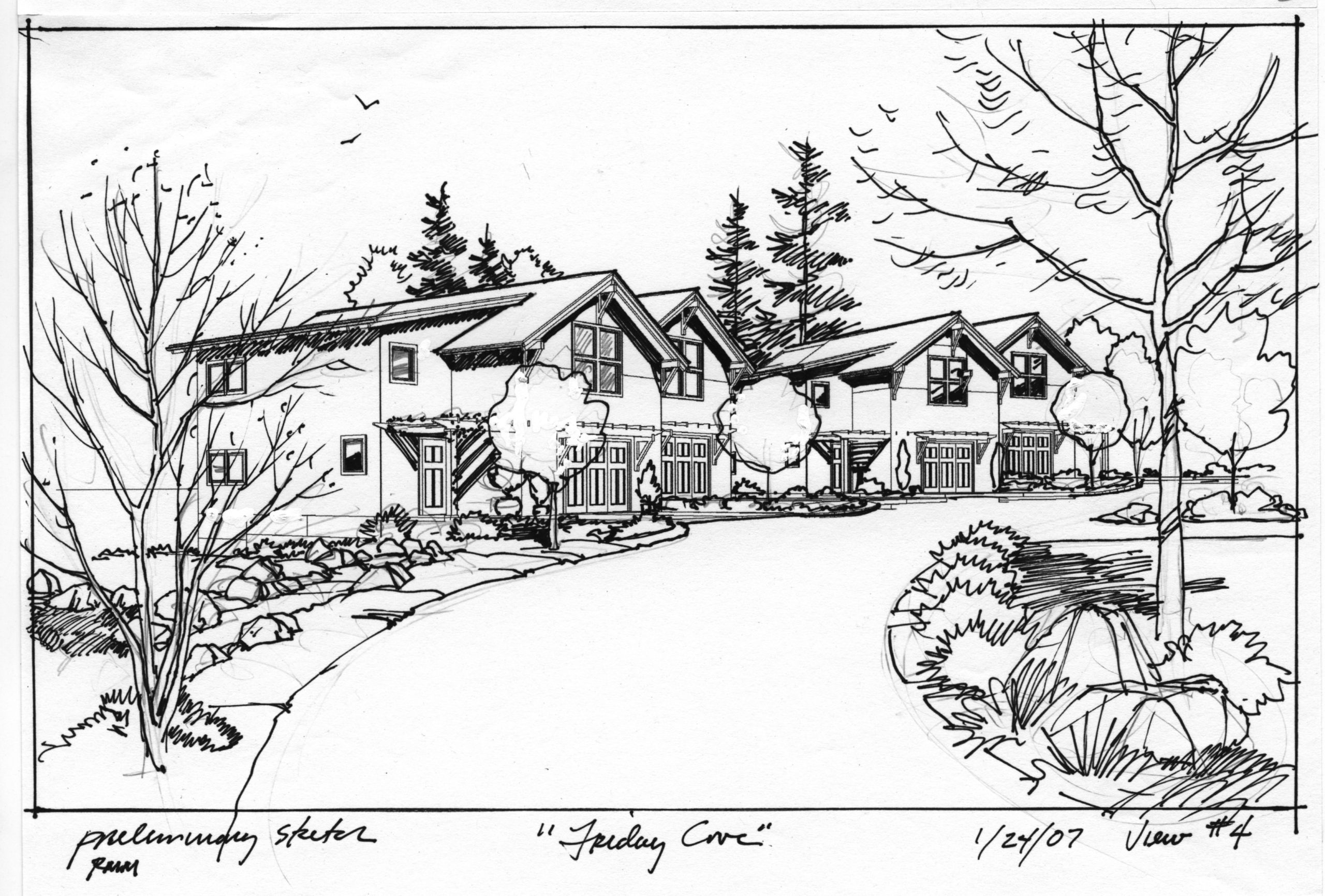
Sketching remains one of the most efficient tools for conveying early design concepts and establishing a shared understanding with stakeholders. Its immediacy allows ideas to be communicated clearly and persuasively, while the intentional lack of detail signals flexibility and openness to client input. This balance of clarity and interpretive space helps build consensus and encourages meaningful collaboration during the formative stages of a project.
Ink and pencil sketches play a crucial role in the design process, particularly in the initial stages of a project. They serve as a visual communication tool that helps designers and clients align their visions and expectations, fostering a collaborative environment.
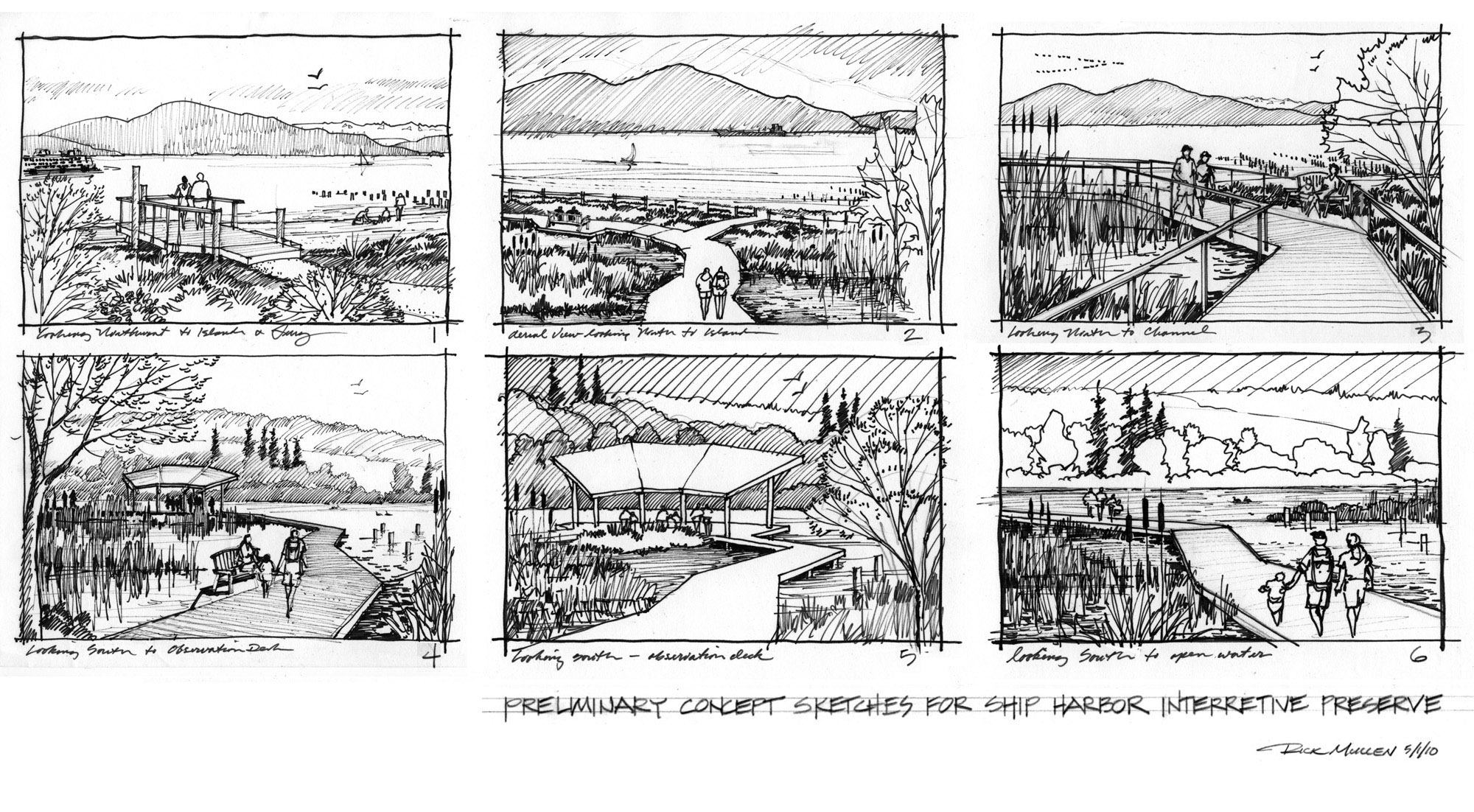
These sketches allow for quick iterations and modifications, enabling designers to explore various concepts without the commitment of detailed renderings. By presenting ideas in a more fluid and less rigid format, stakeholders can engage in meaningful discussions about design elements and overall project direction.
Utilizing sketches in client interactions offers several advantages, including enhanced clarity and understanding of design concepts. Clients can visualize their ideas more effectively when presented with hand-drawn sketches, which often resonate better than digital or 3D representations.
Moreover, sketches invite client feedback early in the design process, allowing for adjustments that reflect their preferences and requirements. This collaborative approach not only strengthens the client-designer relationship but also leads to outcomes that are more aligned with client expectations.
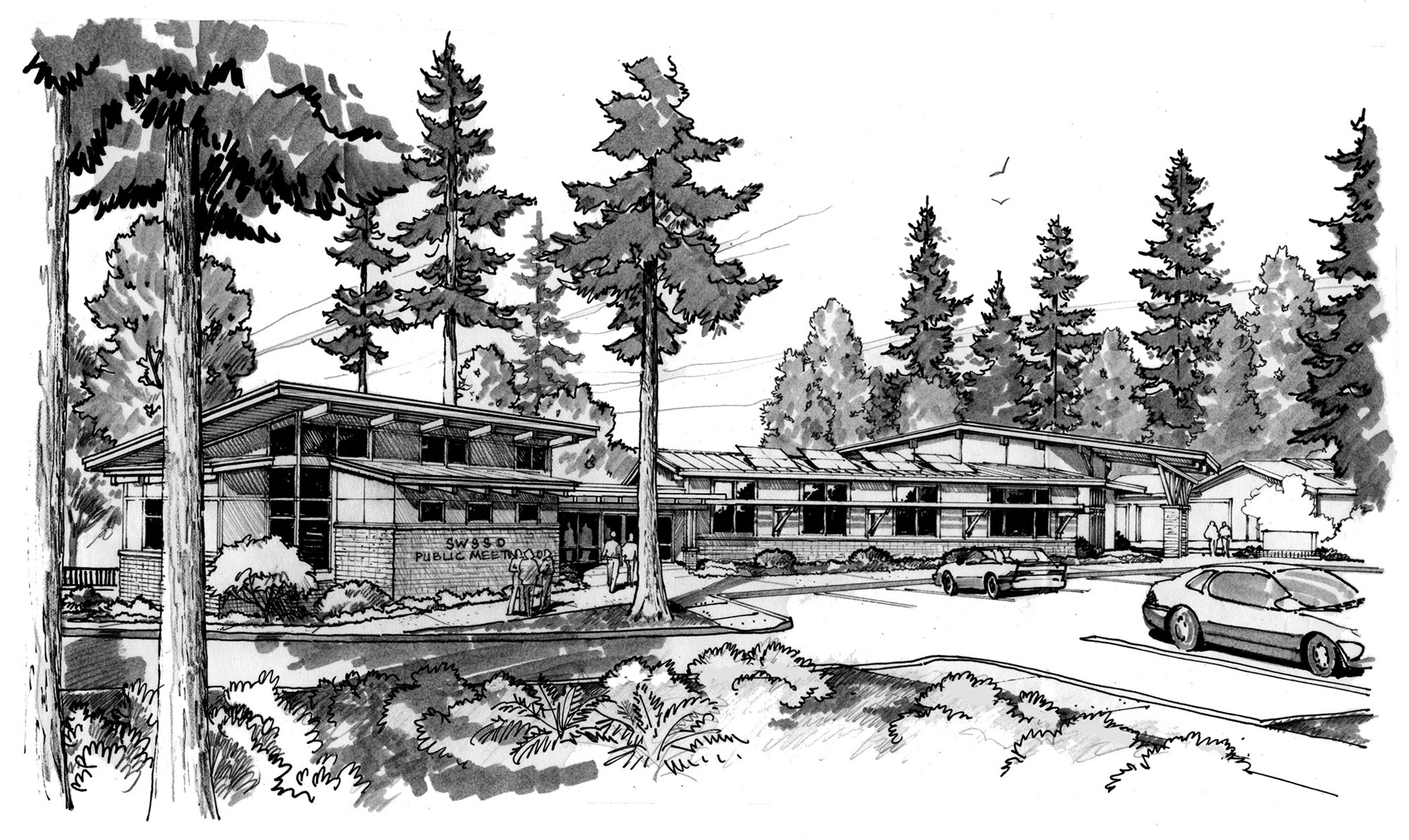
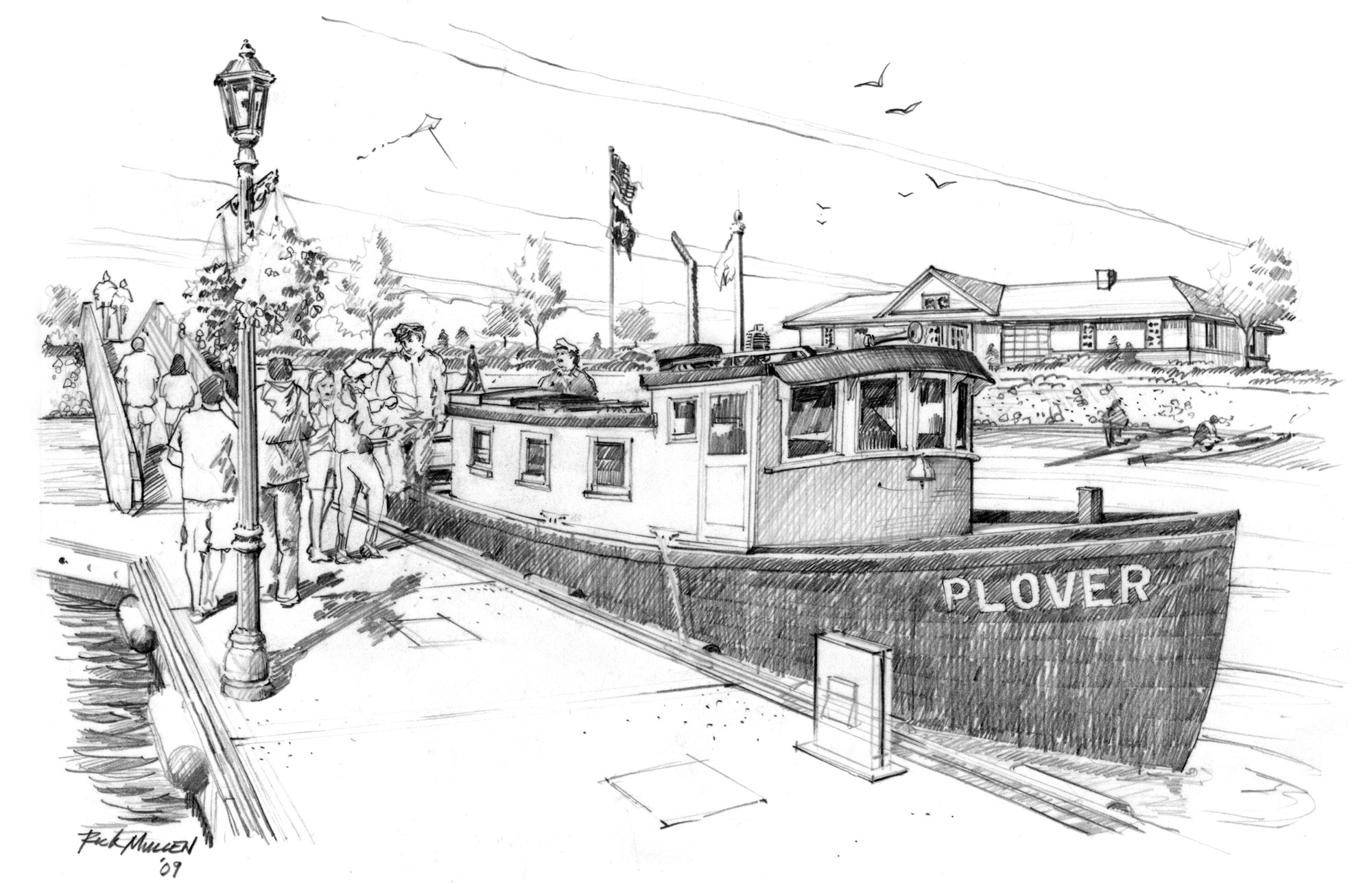
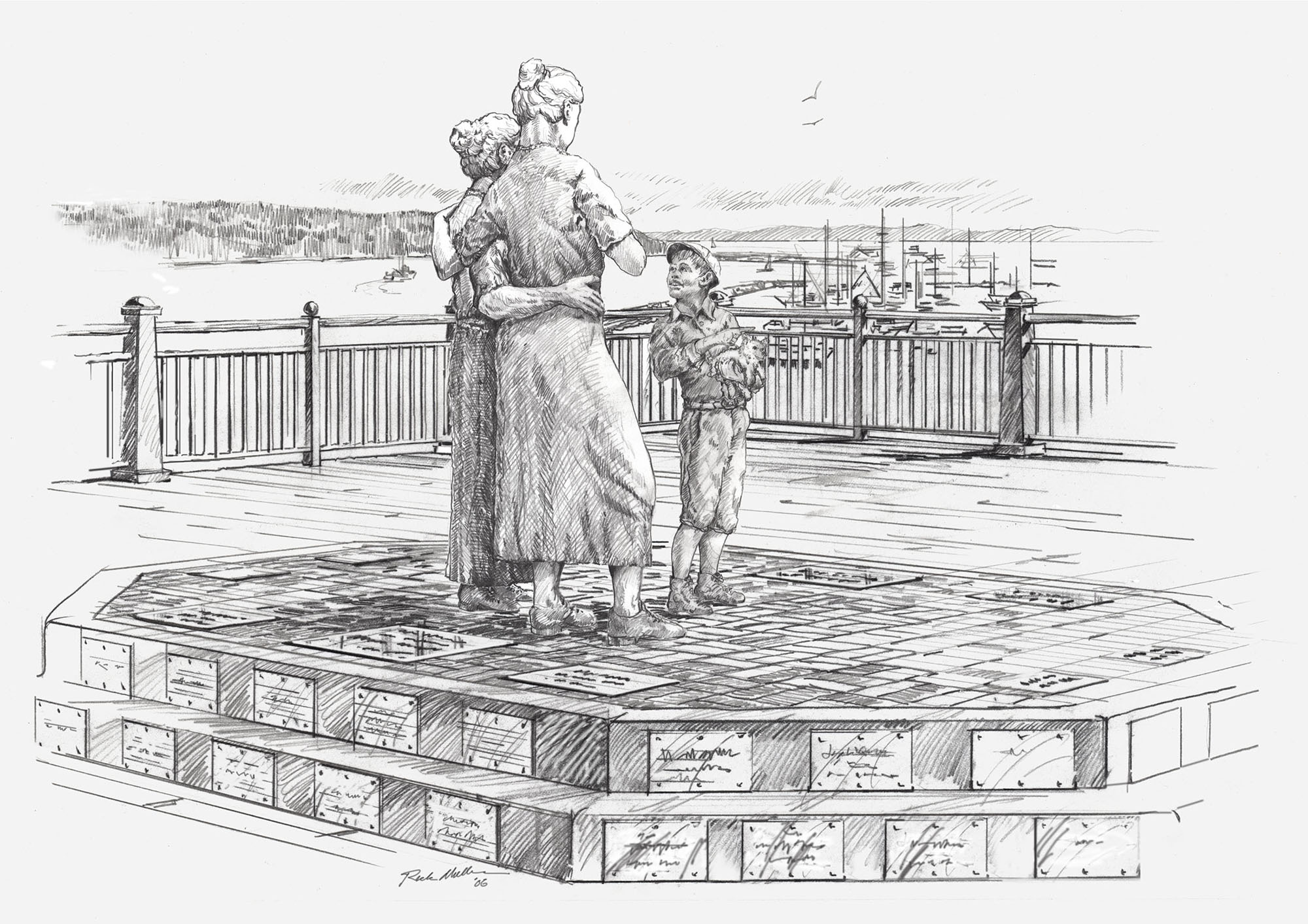
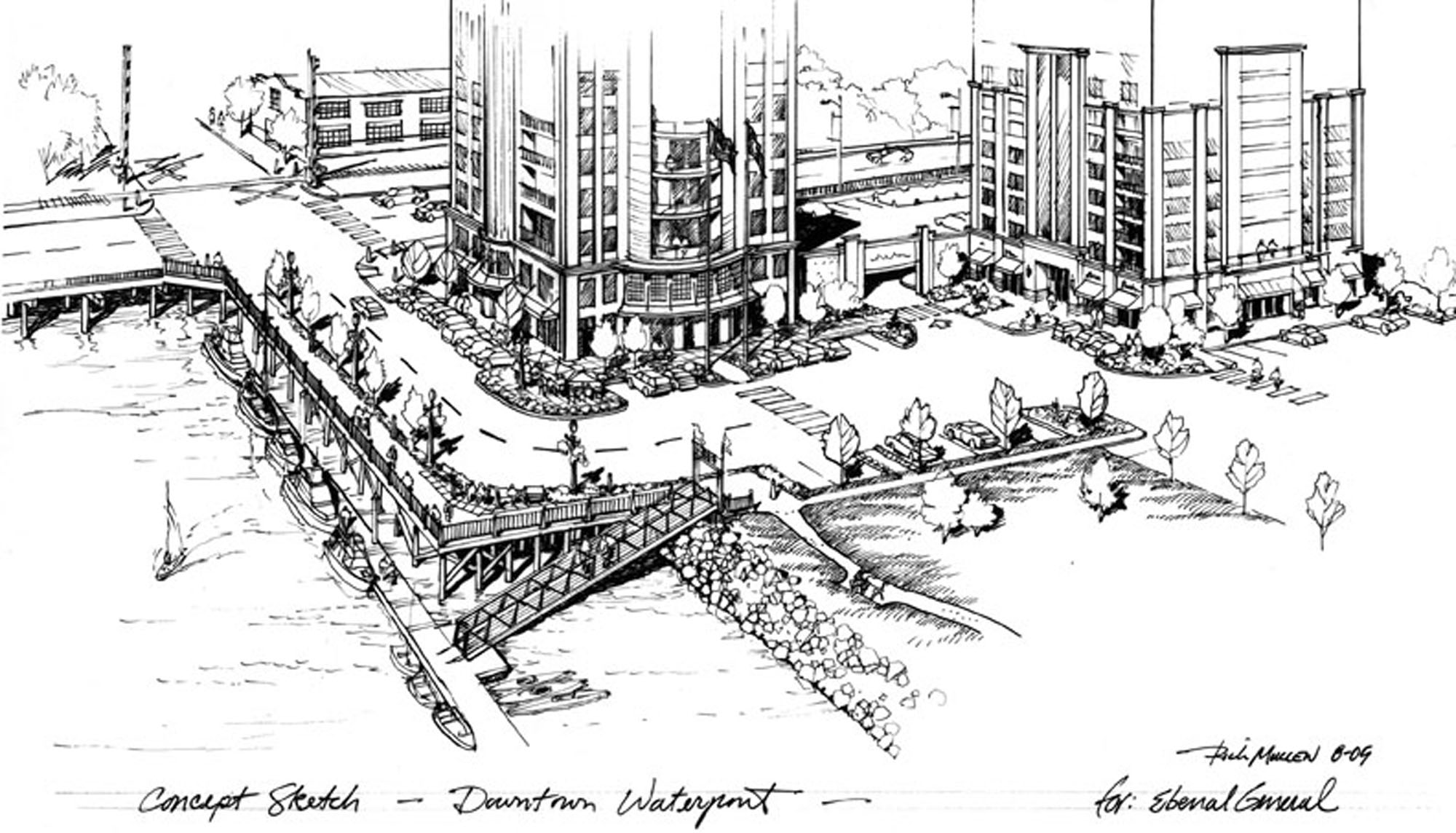
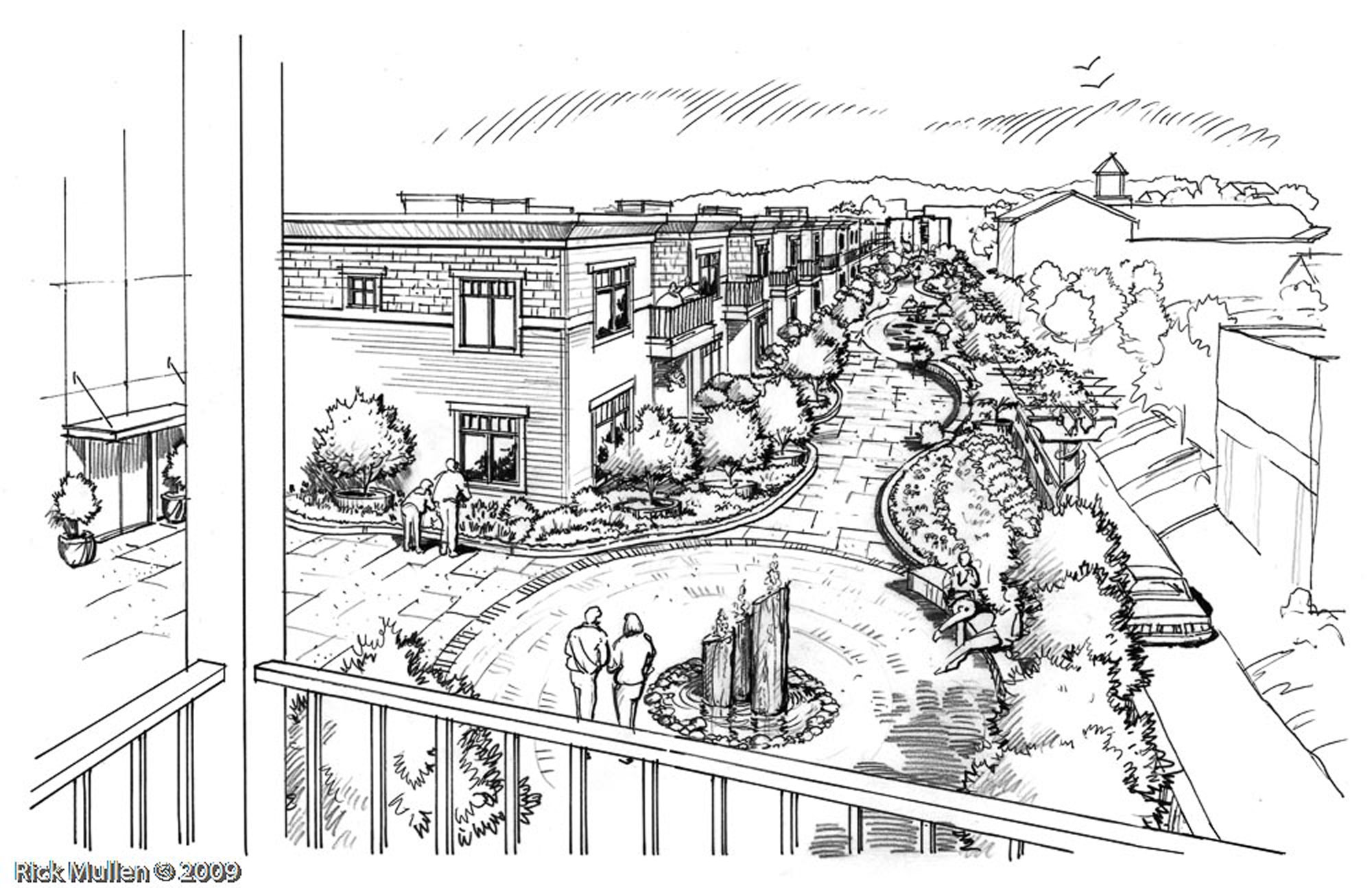
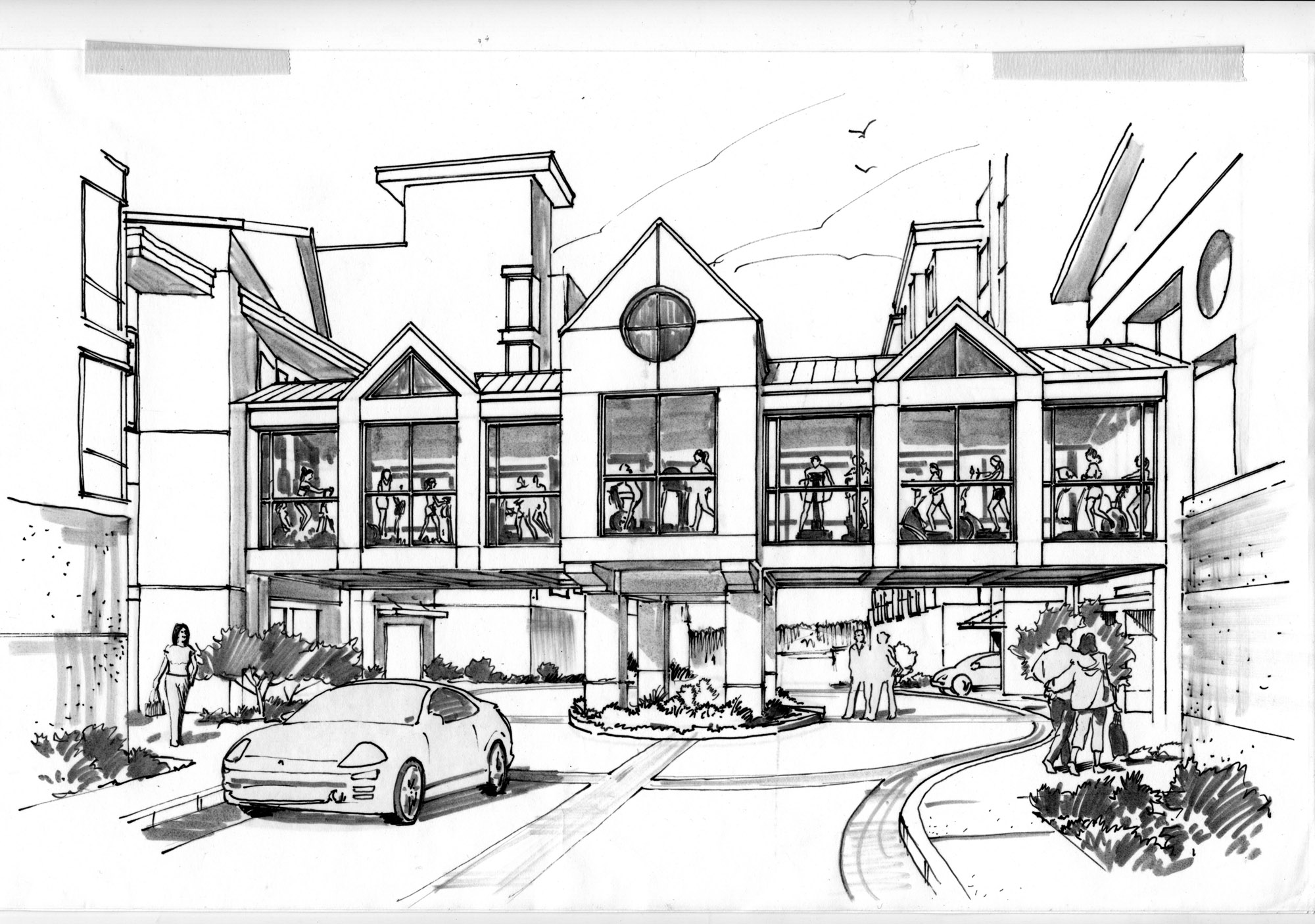
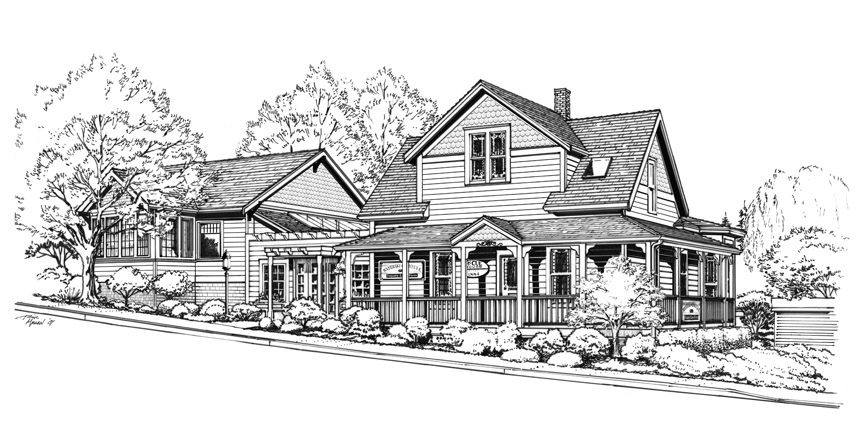
Architectural ink and pencil sketches can vary widely in style and complexity, showcasing the designer’s unique approach. From detailed renderings of building facades to abstract representations of spatial concepts, these sketches illustrate the versatility of hand-drawn art in architecture.
For instance, a sketch might depict a residential space with emphasis on natural light and flow, while another could focus on the intricate details of a historical building. These examples highlight the studio's artistic capabilities and the potential of sketches to convey nuanced design ideas.
Commissioning ink and pencil sketches from Presentation Art Studio is a straightforward process designed to accommodate client needs. Interested clients can reach out through the contact information provided on the website to discuss their project requirements and vision.
Once the details are established, the studio will work closely with clients to create sketches that reflect their ideas while incorporating professional insights. This collaborative process ensures that the final sketches not only meet client expectations but also enhance the overall design strategy.
Ink and pencil sketches play a crucial role in the design process, particularly in the initial stages of a project. They serve as a visual communication tool that helps designers and clients align their visions and expectations, fostering a collaborative environment.
These sketches allow for quick iterations and modifications, enabling designers to explore various concepts without the commitment of detailed renderings. By presenting ideas in a more fluid and less rigid format, stakeholders can engage in meaningful discussions about design elements and overall project direction.
Utilizing sketches in client interactions offers several advantages, including enhanced clarity and understanding of design concepts. Clients can visualize their ideas more effectively when presented with hand-drawn sketches, which often resonate better than digital or 3D representations.
Moreover, sketches invite client feedback early in the design process, allowing for adjustments that reflect their preferences and requirements. This collaborative approach not only strengthens the client-designer relationship but also leads to outcomes that are more aligned with client expectations.
Architectural ink and pencil sketches can vary widely in style and complexity, showcasing the designer’s unique approach. From detailed renderings of building facades to abstract representations of spatial concepts, these sketches illustrate the versatility of hand-drawn art in architecture.
For instance, a sketch might depict a residential space with emphasis on natural light and flow, while another could focus on the intricate details of a historical building. These examples highlight the studio's artistic capabilities and the potential of sketches to convey nuanced design ideas.
Commissioning ink and pencil sketches from Presentation Art Studio is a straightforward process designed to accommodate client needs. Interested clients can reach out through the contact information provided on the website to discuss their project requirements and vision.
Once the details are established, the studio will work closely with clients to create sketches that reflect their ideas while incorporating professional insights. This collaborative process ensures that the final sketches not only meet client expectations but also enhance the overall design strategy.