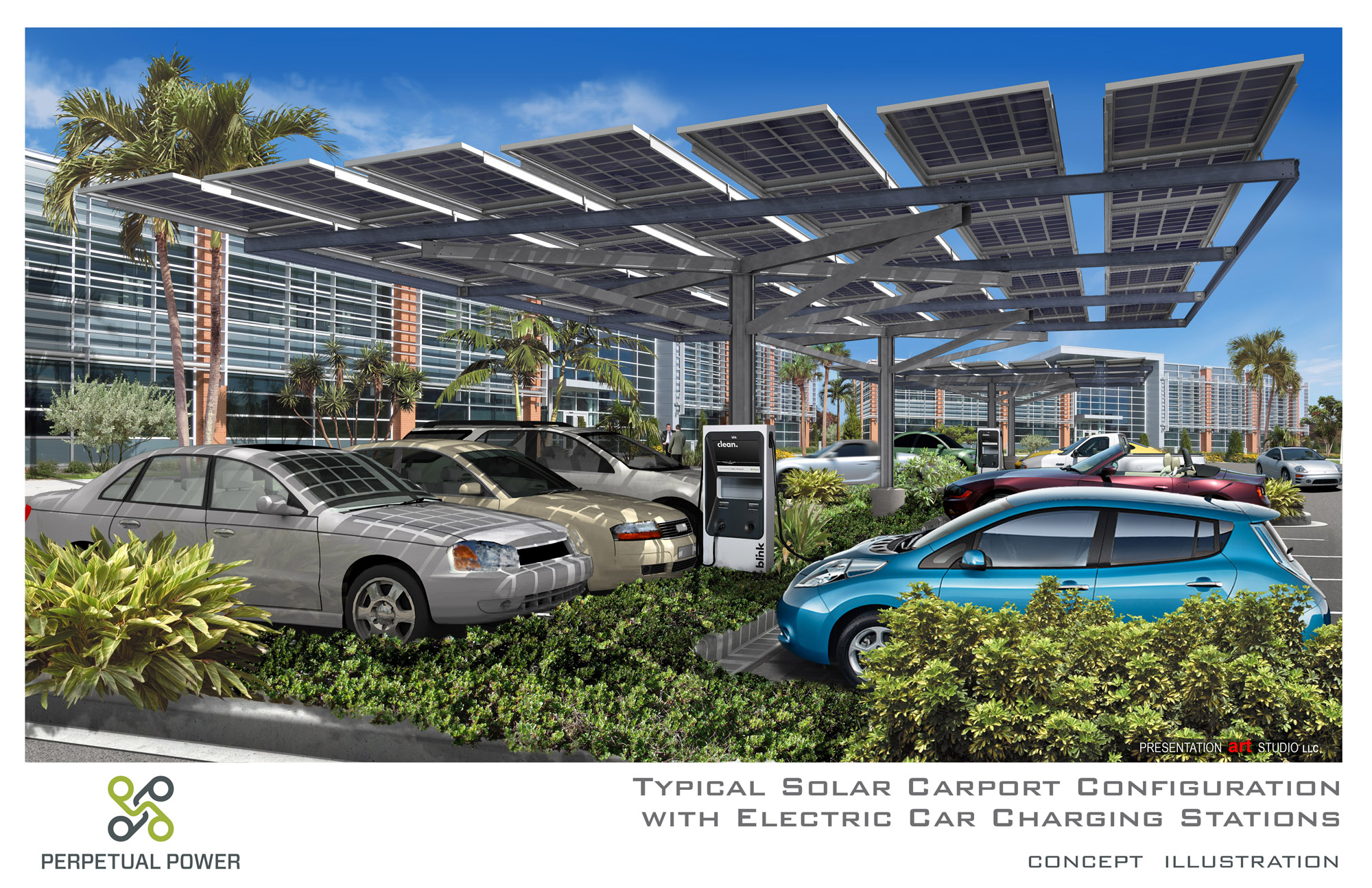
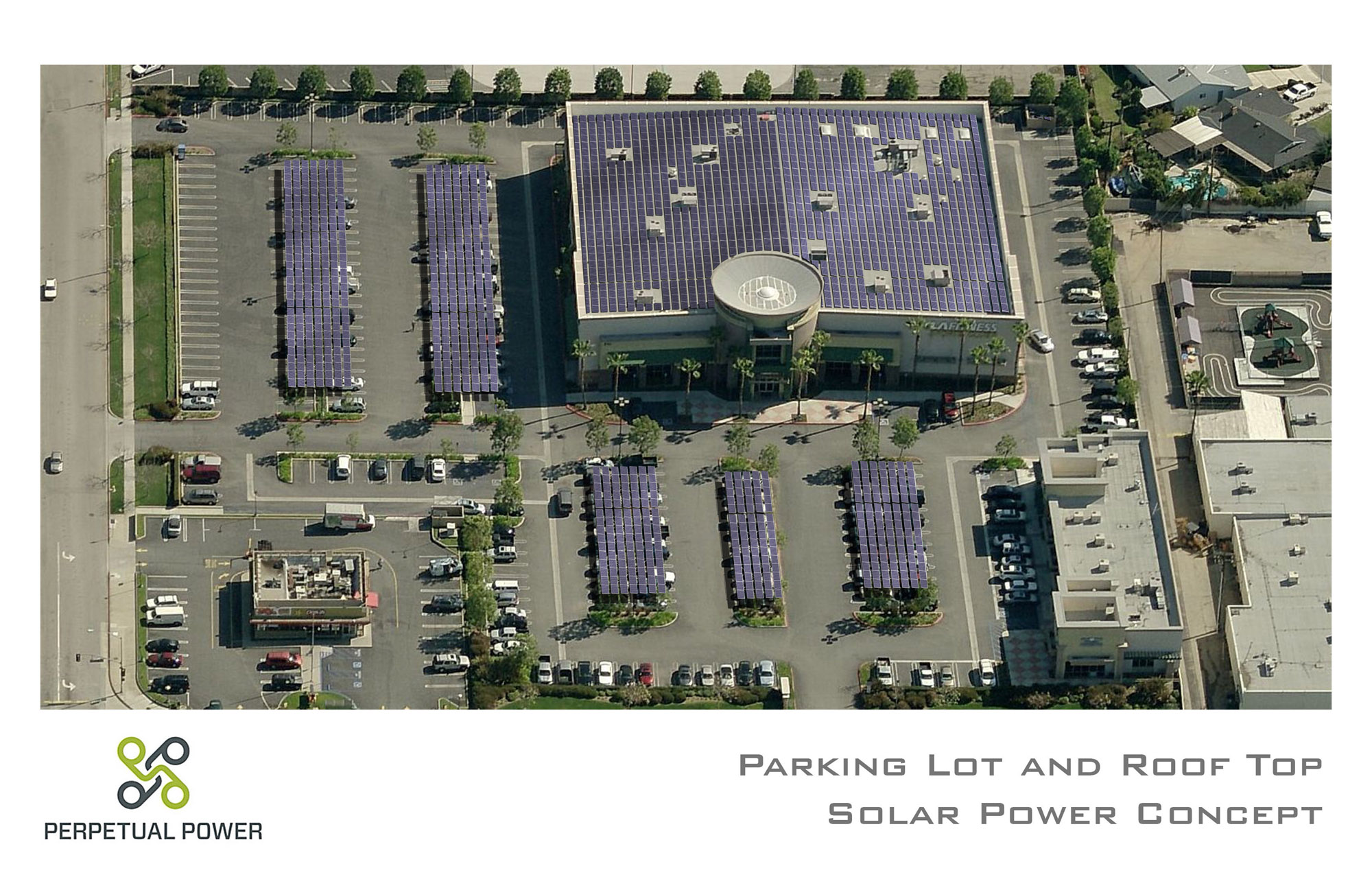
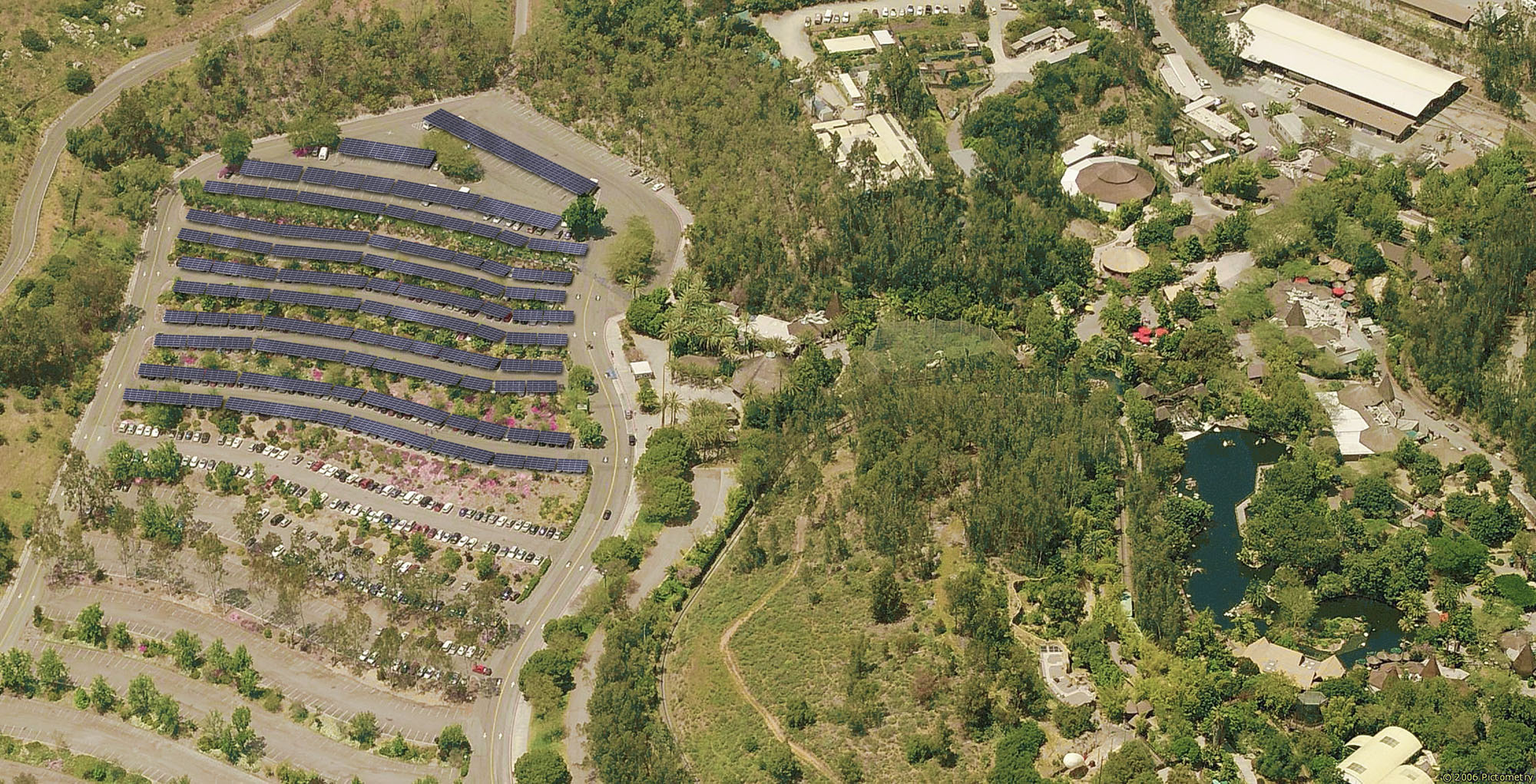
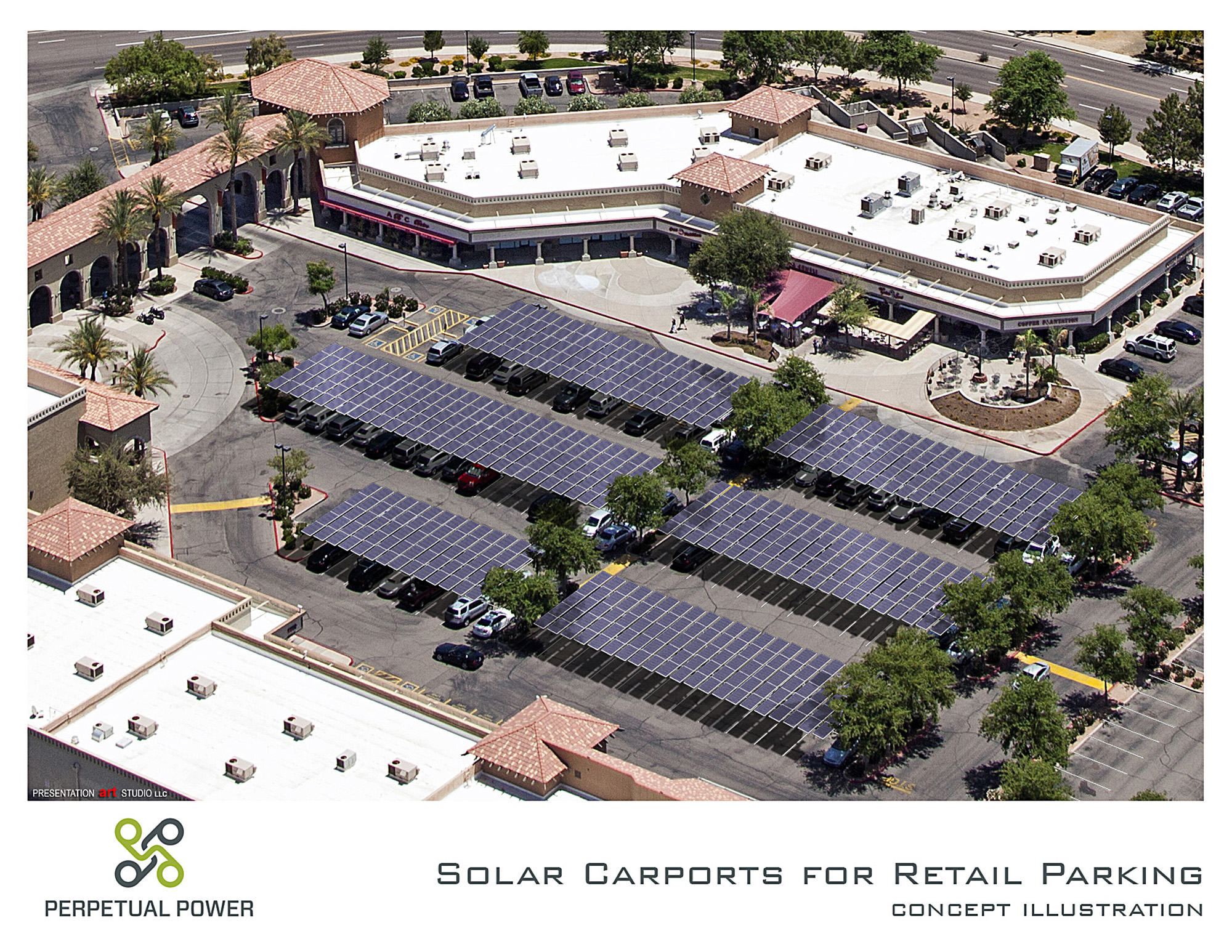
Solar applications are effectively communicated through renderings viewed from either high aerial perspectives or eye‑level vantage points. These visuals demonstrate how photovoltaic systems integrate with existing architectural structures or newly built parking shelters, highlighting both functional performance and aesthetic compatibility. By presenting the installation within its broader context, the renderings help stakeholders understand the project’s environmental benefits, spatial impact, and long‑term value.
Solar integration in architecture involves the thoughtful incorporation of photovoltaic systems into building designs. This approach not only enhances energy efficiency but also contributes to the aesthetic appeal of structures. By blending solar technology with architectural elements, designers can create spaces that are both functional and visually striking.
For instance, buildings designed with solar panels as part of their façade can reduce energy costs while showcasing innovative design. This integration can be seen in various projects, from residential homes to commercial buildings, where solar solutions are harmoniously embedded within the overall architectural vision.
Solar renderings serve as a vital tool for stakeholders, offering a visual representation of how solar installations will appear in their intended environment. These renderings help in making informed decisions regarding project feasibility, aesthetics, and environmental impact. By visualizing the end product, stakeholders can better understand the benefits and implications of solar technology.
Moreover, high-quality renderings can aid in securing approvals from regulatory bodies and garnering support from the community. They effectively communicate the advantages of solar energy, such as reduced carbon footprints and lower energy bills, making them essential in the planning and development phases of architectural projects.
Examining case studies of successful solar integration projects highlights the practical applications and benefits of this technology in architecture. These examples showcase a variety of approaches, from modern urban designs to traditional structures, demonstrating that solar can fit into any architectural style.
For instance, a recent project in California utilized solar panels as a roof feature, enhancing the building's energy efficiency while maintaining its classic aesthetic. Such case studies not only inspire future projects but also provide valuable insights into best practices and innovative solutions for integrating solar technology into architectural designs.
The future of solar architecture is poised for significant advancements as technology evolves and sustainability becomes a priority. Emerging trends include the use of building-integrated photovoltaics (BIPV), where solar cells are incorporated directly into building materials, such as windows and facades.
Additionally, smart building technologies that optimize energy use and management are gaining traction. As architects and builders embrace these innovations, we can expect to see more sustainable, energy-efficient designs that not only meet environmental goals but also enhance the overall quality of life in urban and rural settings alike.